
 Talk to usTalk to us
Head of Marketing · Marketing
IDS has launched Nion, a 1.2-megapixel industrial time-of-flight camera running 30 fps over a 0.3 to 7.5 metre range in an IP67 housing with PoE, built for stray-light resistance and low motion blur.

Santos Port Authority is deploying private 5G across three zones under a three-year, $6 million agreement, carrying a vessel traffic management system, a digital twin and sensor feeds.
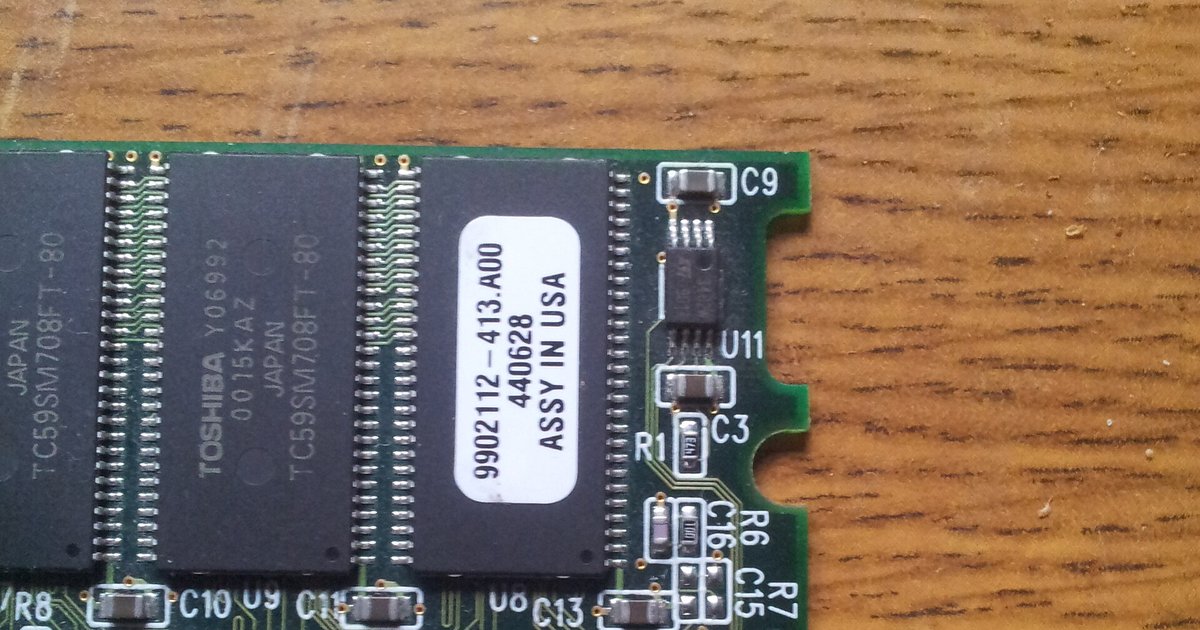
DFRobot's LattePanda Mu Ultra puts Intel's Lunar Lake Core Ultra 5 226V or 7 256V with 16 GB of LPDDR5 onto a 69.6 by 60 mm SO-DIMM module, at $599 and $699.
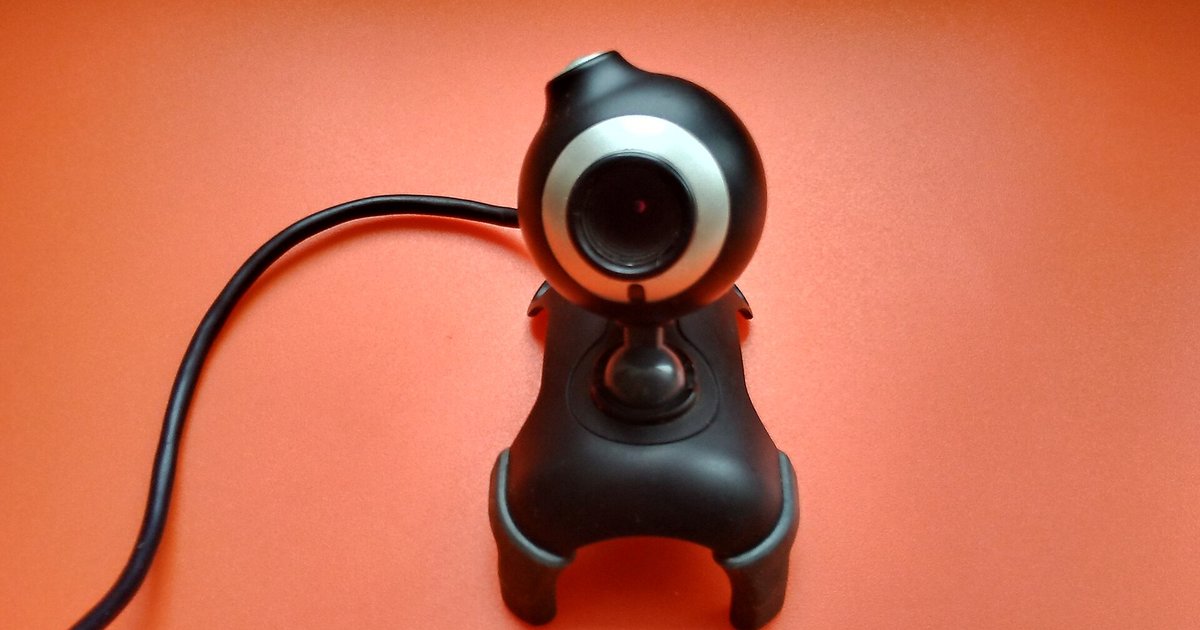
CamThink's NeoEyes NE302 puts an STM32N6 with a 1 GHz Neural-ART NPU behind a 4 MP sensor in a 42 mm fanless cube at $99, with schematics and firmware published on GitHub.
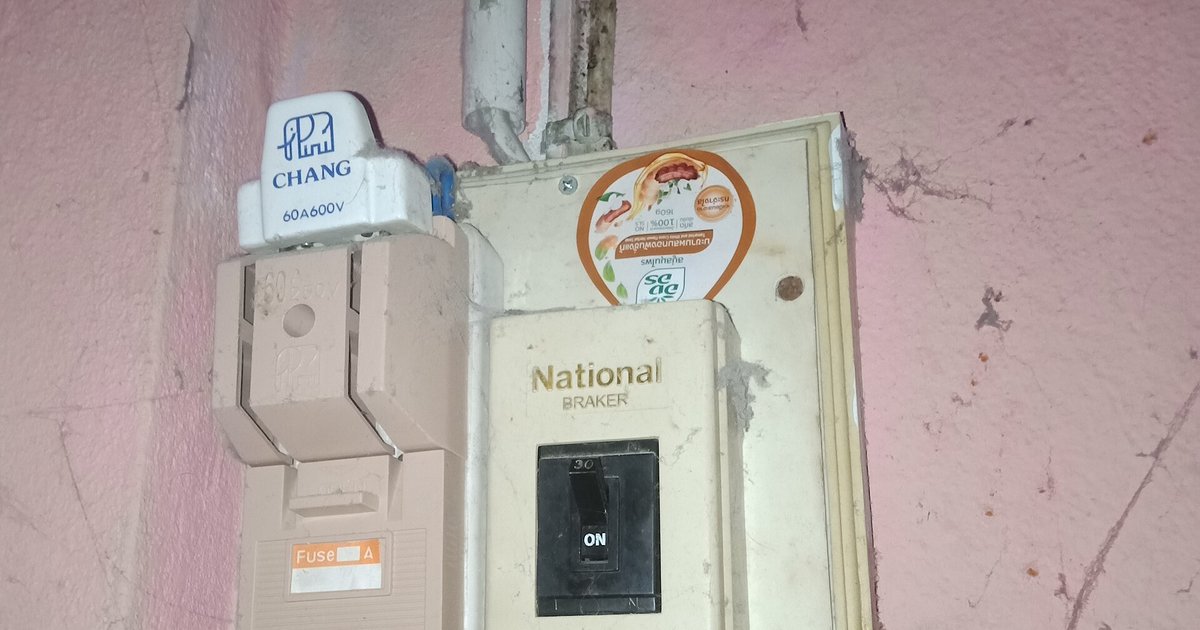
Mersen has launched a UL 67-listed Class J critical power panelboard rated to 400 A and 600 V AC with a 200 kA short-circuit rating, using current-limiting fuses that clear high faults in under a half-cycle.
ASRock Industrial's iEP-5010G-010 has become the first product certified under the Open Group's O-PAS Certification Program, against the standard's second edition and separately to IEC 62443-4-2.
CISA has updated its advisory on ST Engineering iDirect iQ-Series terminals, with a missing authorisation scoring 9.4 on CVSS v4 and unauthenticated retrieval of device information. Firmware 4.5.3.0 fixes them.
CISA has published hard-coded credentials in CareCam Pro IP cameras running 2020 firmware and U-Boot 2010.06. The vendor did not respond to coordination attempts, so there is no patch — only isolation.

EPA is awarding $11.75 million to ten midsize and large drinking water systems for SCADA improvements, PLC replacement, pump control modernisation, backup generators and smart water monitoring.

PJM has filed to run a one-time backstop auction for roughly 6 GW of new capacity on 15-year contracts, after last December's auction cleared at the price cap — a 1,053 percent rise year on year.

Coherix's 3D GlassMaster Tracker inspects adhesive dispensing inline with high-speed lasers and adjusts the robot path in real time for glass shape, cover geometry and viscosity variation.

Hutchison Ports BEST in Barcelona has commissioned two ZPMC ship-to-shore cranes reaching vessels 26 rows wide with 55 metres under the spreader, taking its quay fleet to 15 alongside 68 automated yard cranes.

Simoco has integrated Antevia's 5G SHIFT platform into an INEOS Grenadier, producing a vehicle that carries mission-critical radio, broadband, applications and command capability to sites with no fixed infrastructure.
Sateliot has signed with Grupo Constanta to bring 3GPP Release 17 NB-IoT NTN to Brazilian energy distribution, in a country where 80 to 82 percent of the territory lies outside effective cellular coverage.

Amlogic's A123X and C305X2 pair Armv9.2-A cores on TSMC 6 nm with 4 or 8 TOPS NPUs and a hardware sound-event-detection engine, adding always-on video modes for battery and solar cameras.

Vaisala will show inline concentration measurement at PACK EXPO with the Polaris PR53AC sanitary refractometer and Indigo520 transmitter, covering 0 to 100 percent and designed to hold up against bubbles, colour and suspended solids.
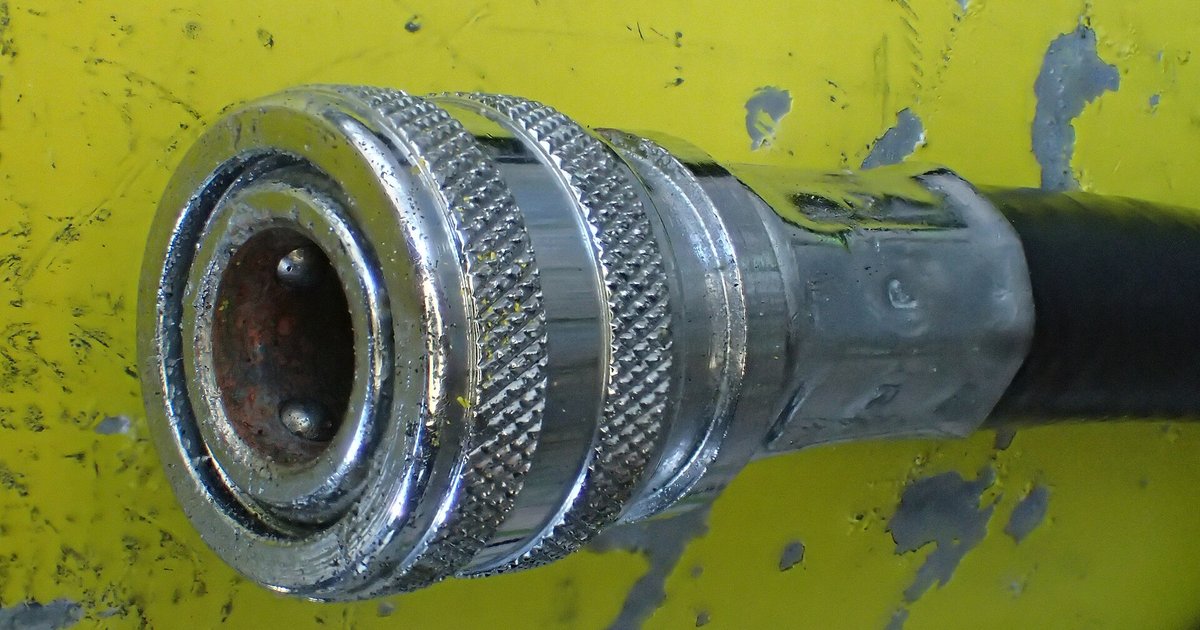
Sierra Instruments has added a half-inch insertion probe across its thermal mass flowmeter lines, dropping the required pipe opening from 0.781 to 0.531 inches so an existing tapping can be reused.
CISA's OPC UA LocalDiscoveryServer advisory scores 2.4 on CVSS v4 and needs local access with a keyboard — but it sits in an installer used across five critical sectors, and Rockwell found it.
N-able has patched a pre-authentication remote code execution flaw in N-central after confirming exploitation in the wild, with CISA setting a federal deadline three days after adding it to the catalog.

The US Department of Energy has opened a request for information implementing Executive Order 14421, asking industry to define covered equipment and foreign entities across inverters, storage, UPS and industrial control systems.
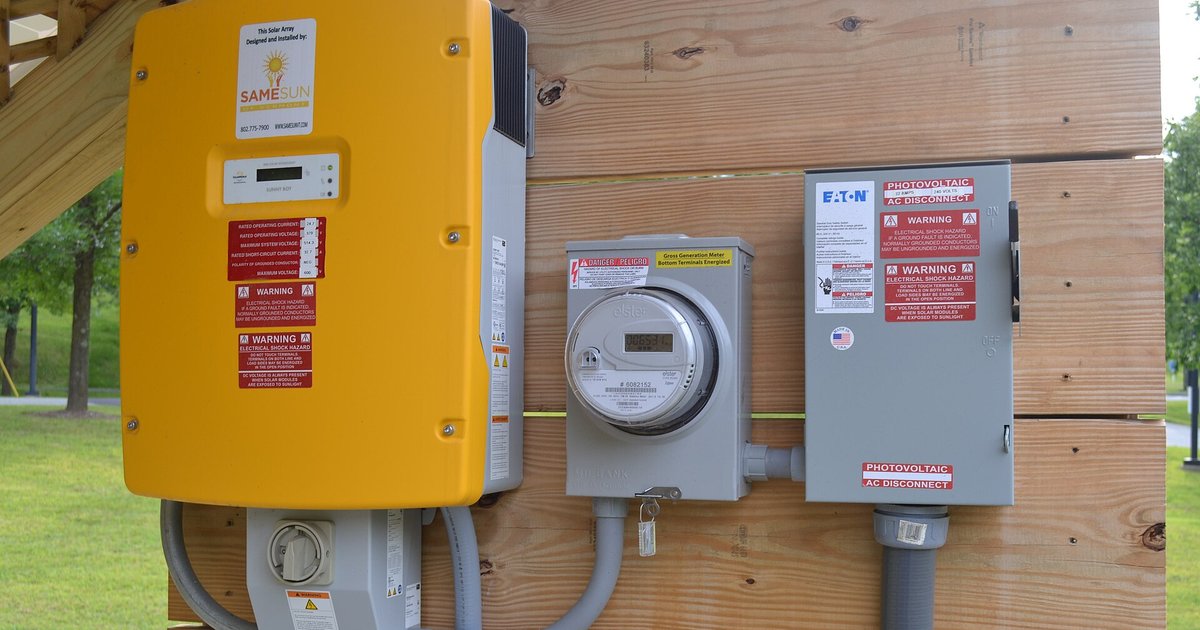
Flex has agreed to acquire EPC Power for $4.4 billion, bringing a grid-forming inverter maker with more than 15 GW deployed across 62 countries into its Cloud and Power Infrastructure segment.
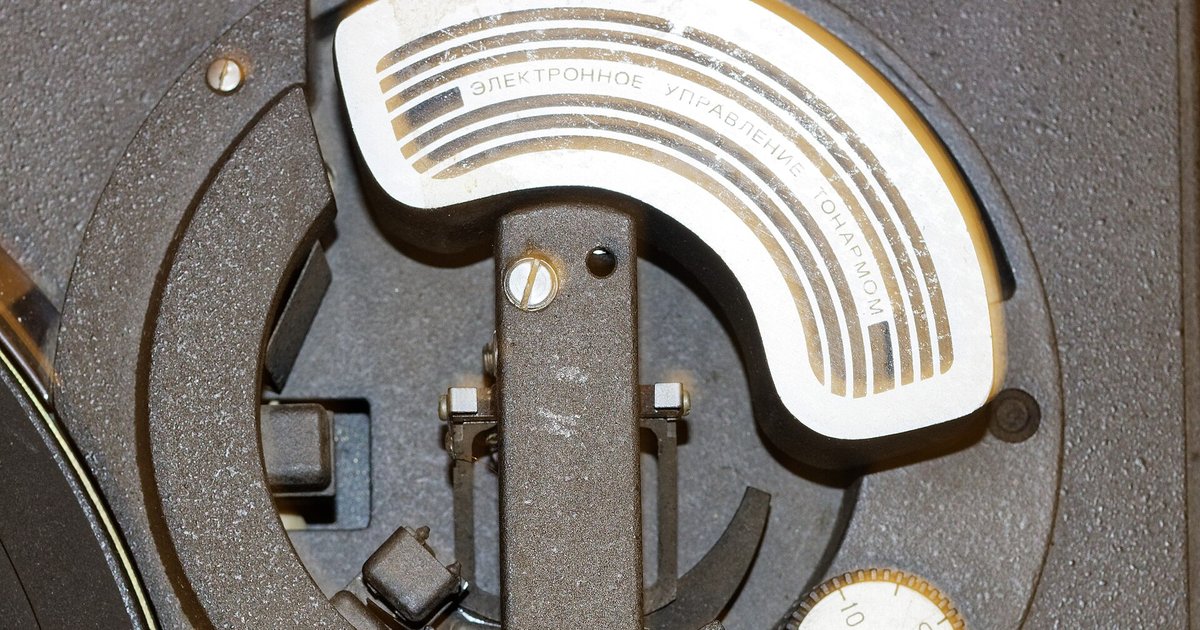
Elmo Motion Control's Titanium line has completed certification to SIL 3 under EN 61508 and PL e CAT 4 under EN ISO 13849, with FSoE over EtherCAT and twenty supported safety functions.

ZEISS has extended Virtual Clamping in INSPECT 3D with a Guided Holding Kit fixturing on up to four contact points, repositioning parts in under ten minutes with weight-force-compensated deformation modelling.

PUSR's LG270 pairs a Semtech SX1302 eight-channel radio with an RK3506J tri-core Cortex-A7, a built-in network server, protocol conversion for 1,000 points, and 4G, Wi-Fi 6 and Ethernet failover.

COMPRION and STMicroelectronics have validated an end-to-end reference environment for testing the device-side IPAd component of GSMA SGP.32, using ST's ST4SIM-300 with simulated eIM and SM-DP+ back ends.
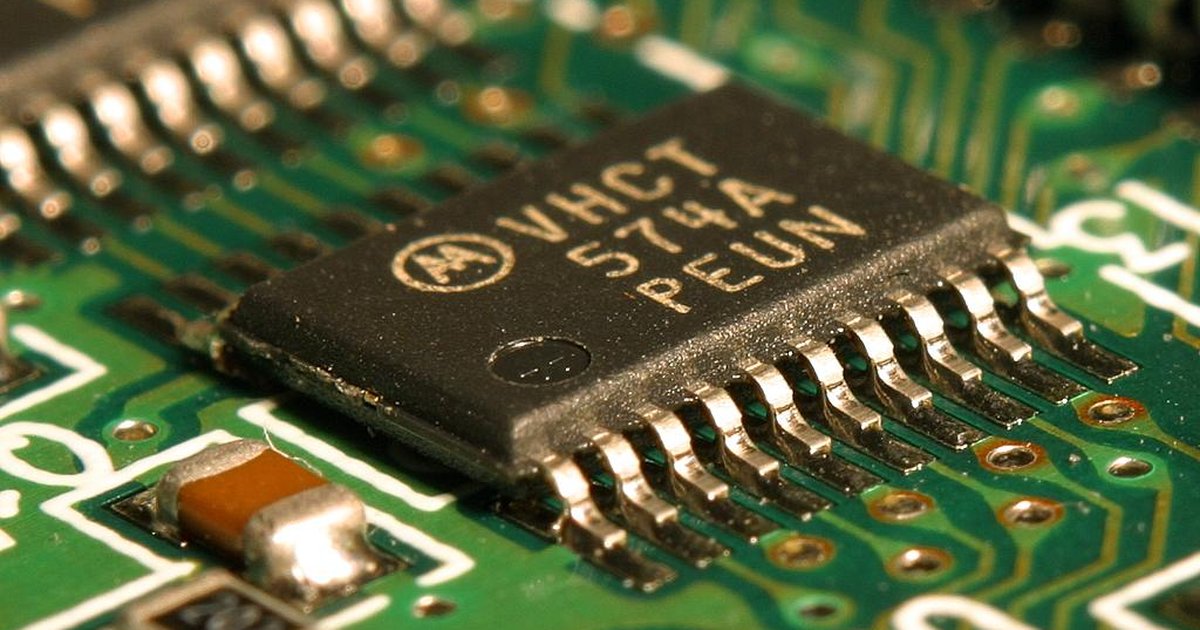
MYIR's MYC-JMX95X puts NXP's i.MX95 — six Cortex-A55, a Cortex-M7, a Cortex-M33 and a 2 TOPS NPU — on an 82 by 50 mm SMARC module with TPM 2.0 and EdgeLock, rated to 85 °C.
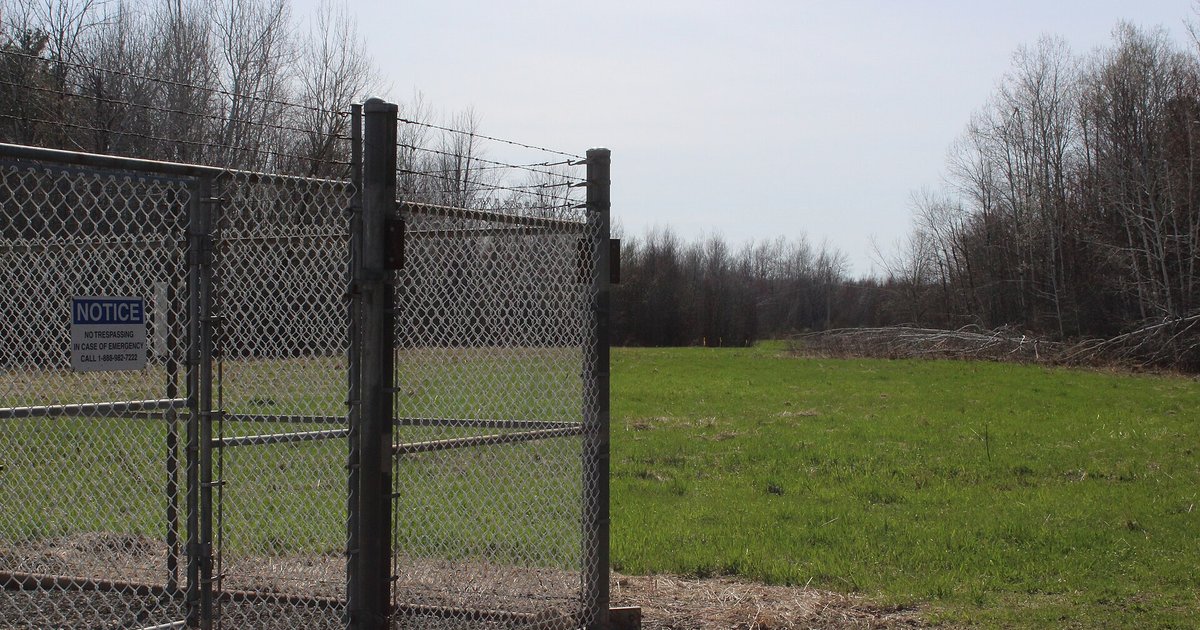
Omniflex's PowerView C4 connects directly to existing tap or phase control transformer rectifiers, adding remote voltage and current monitoring, remote adjustment and automated CP testing without extra signal conditioning.

WIKA's DTG-30, DTL-30 and VTL-30 measure density and viscosity with a micro-machined oscillating element in 316L, outputting at 1 Hz with a real-time confidence factor on every reading.
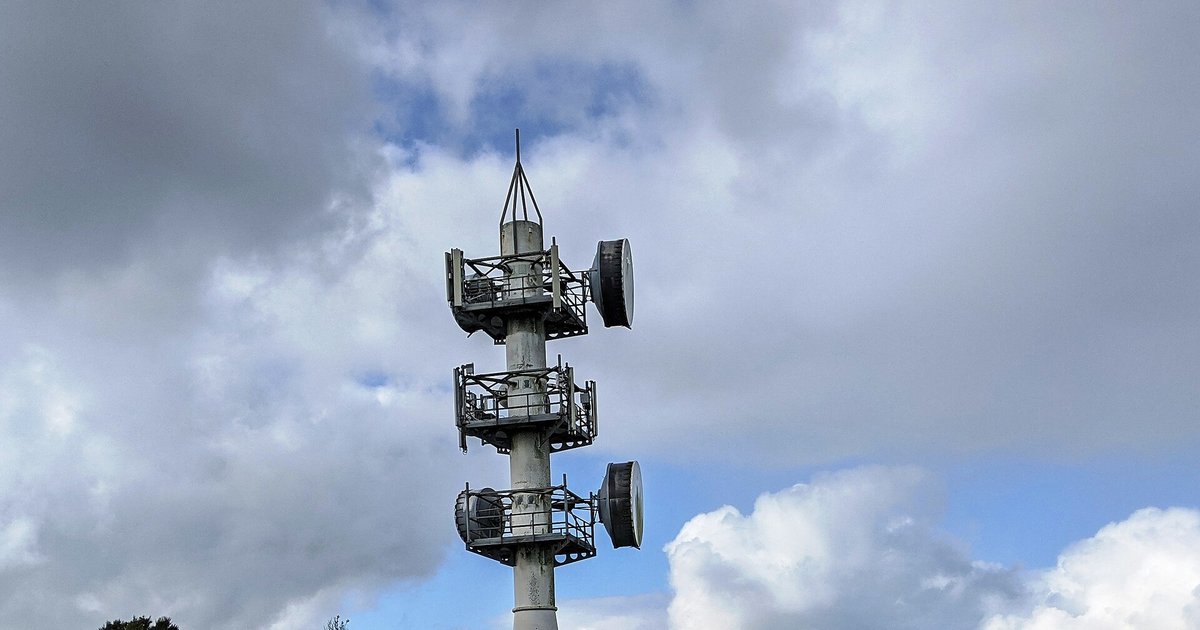
CISA's advisory on the Tycon TPDIN-Monitor-WEB3 covers hard-coded credentials, a cross-site request forgery at 8.8, and a missing authorisation that can extract credentials, configuration or flash contents.
Cisco Talos has documented three separate threat clusters exploiting a CVSS 10.0 authentication bypass in Secure Firewall Management Center — one deploying Cyclops Blink, another ending in Qilin ransomware.

PG&E's Google-funded SHARE programme enrols about 21,000 existing flexible devices across two California counties, deploying 12 MW at peak from batteries and heat pumps that were already in place.

Axpo and municipal utility energieUri have commissioned 58.4 MW of co-located Fluence storage at Gurtnellen in Canton Uri — 50 MW serving the national grid and 8.4 MW serving the canton.
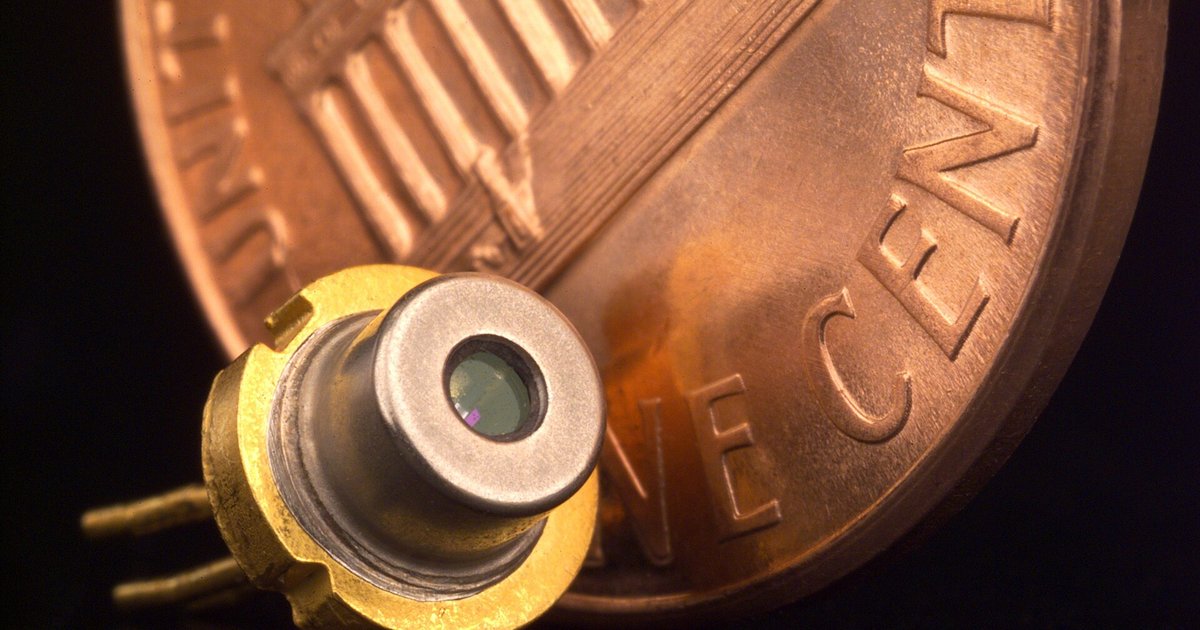
Singular Photonics has launched Litavis, a SPAD sensor pairing a 256 by 256 photon-counting array with a 64 by 64 macropixel grid delivering time-stamped photon events at picosecond resolution.
Geek+ reported first-half orders of RMB 2.385 billion, up 35.5 percent, with subscription service orders up more than 75 percent to RMB 156 million and Americas subscriptions up 455 percent.
Anthropic has published a research preview of the Model Hardware Standard, a driver-layer specification letting AI agents discover and control robot arms, microscopes and lab instruments through a common command set.
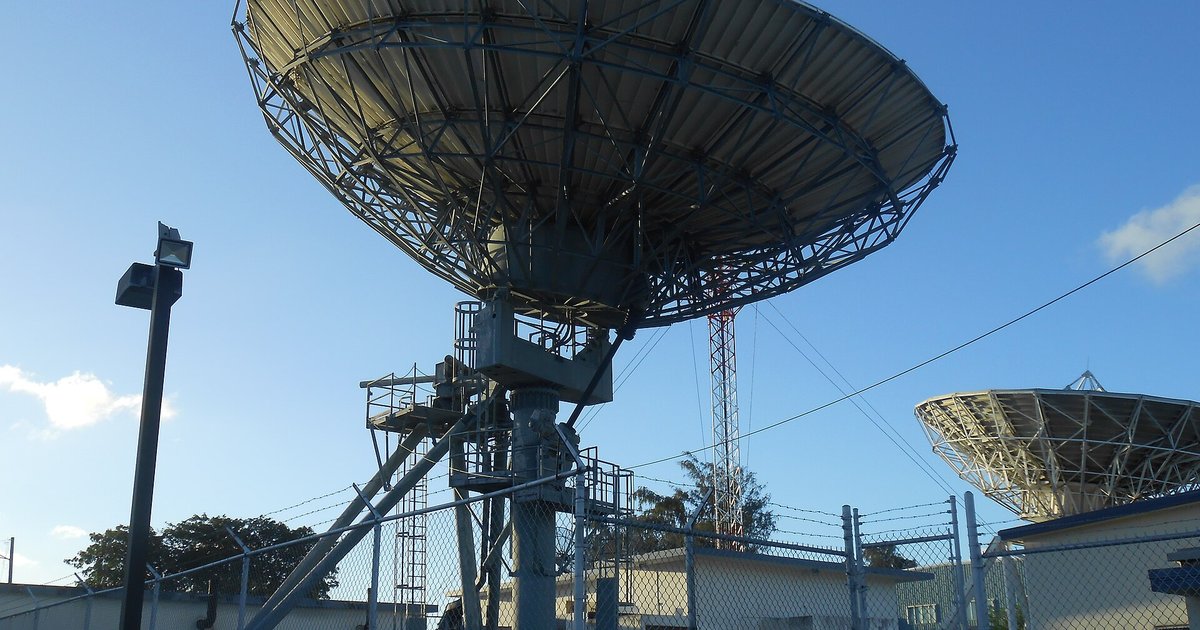
Iridium, Deutsche Telekom IoT and Toyota sent a voice message from a vehicle over LEO satellites using standards-based 3GPP NB-IoT and a codec Fraunhofer says runs at a kilobit per second or less.
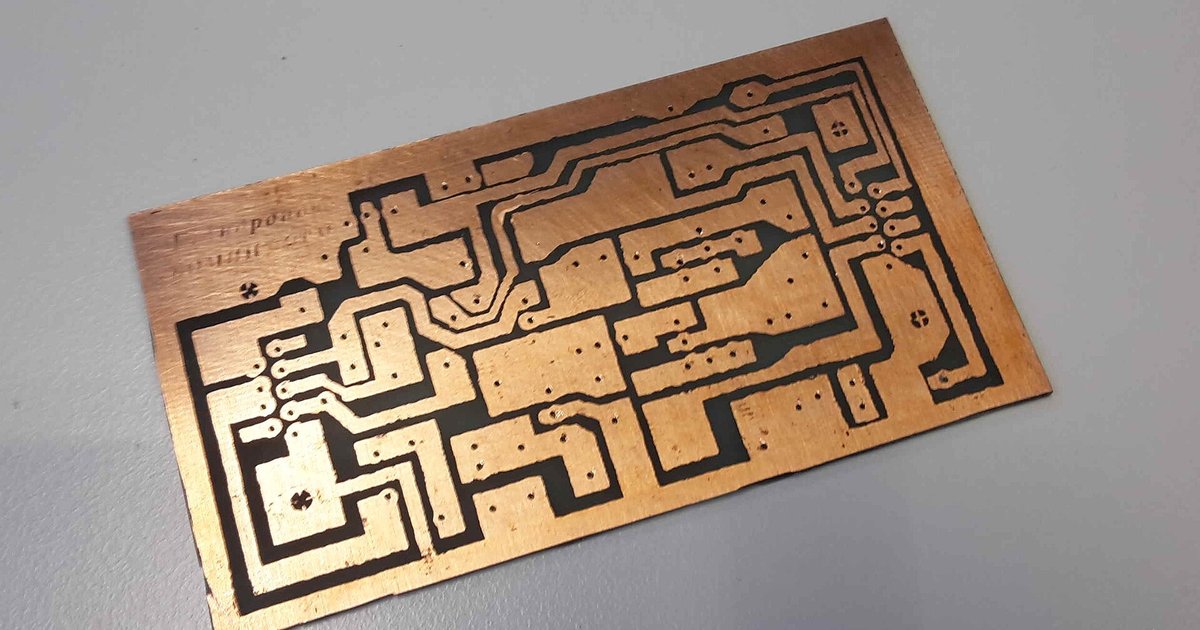
Ezurio's Carbon AM67 puts TI's Sitara AM67x, 4 TOPS of deep learning accelerators, dual TSN Ethernet and four four-lane MIPI-CSI-2 inputs onto a solder-down OSM-MF module from about $338.
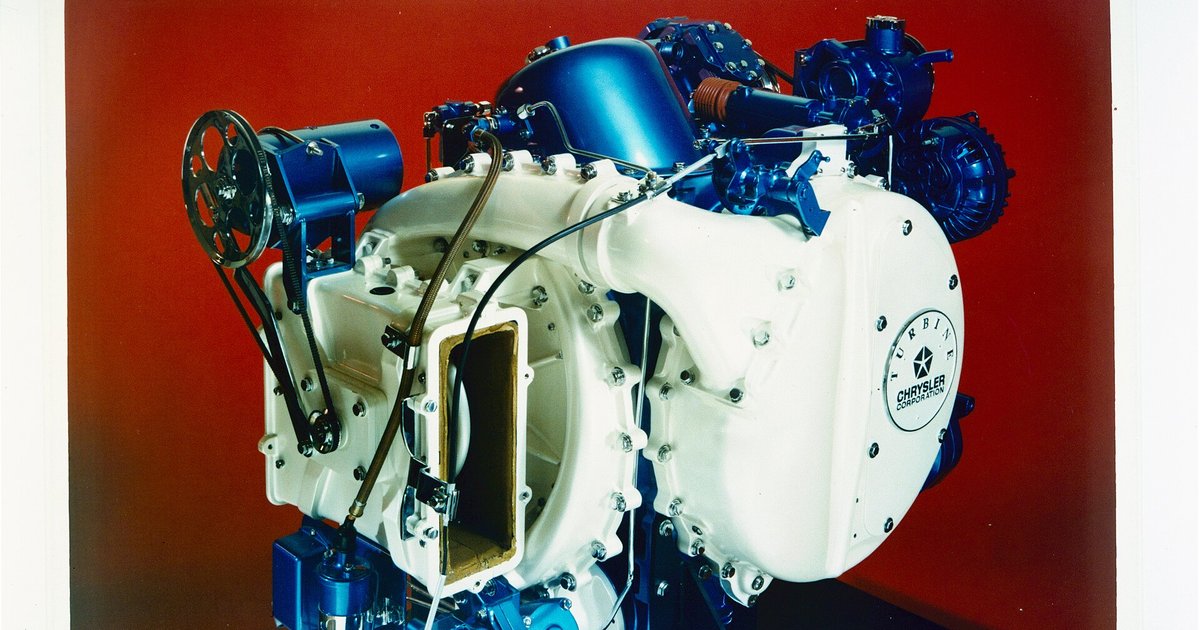
Emerson's AMS 6500 ATG 5.0 adds continuous unlimited data transmission into AMS Machine Works 2.4, so a turbomachine's startup and shutdown can be captured end to end rather than in samples.
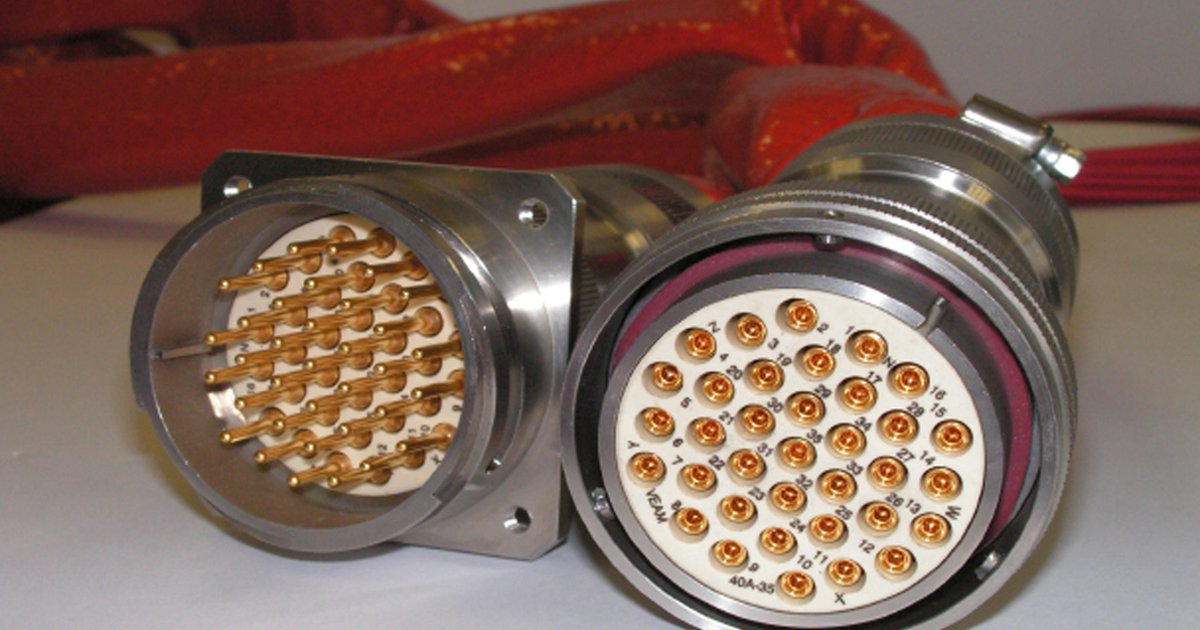
Beckhoff has extended its ECP and ENP hybrid circular connectors across housing sizes B12 to B40 at up to 72 A, conforming to DIN EN IEC 61076-2-118, for machines built without a control cabinet.

Rockwell's ControlFLASH installer granted write permissions to the Everyone group on its own program directory, letting any local user plant code that runs when an engineer flashes a controller.

Siemens has disclosed fourteen vulnerabilities in Reyrolle 7SR5 protection relays, led by a CVSS 9.8 in which information from the web interface can be used to calculate session IDs.

FlexGen commissioned SMT Energy's 160 MW / 320 MWh Houston IV battery in six weeks, cutting the original timeline threefold, as ERCOT set a record 91.1 GW peak load in July.
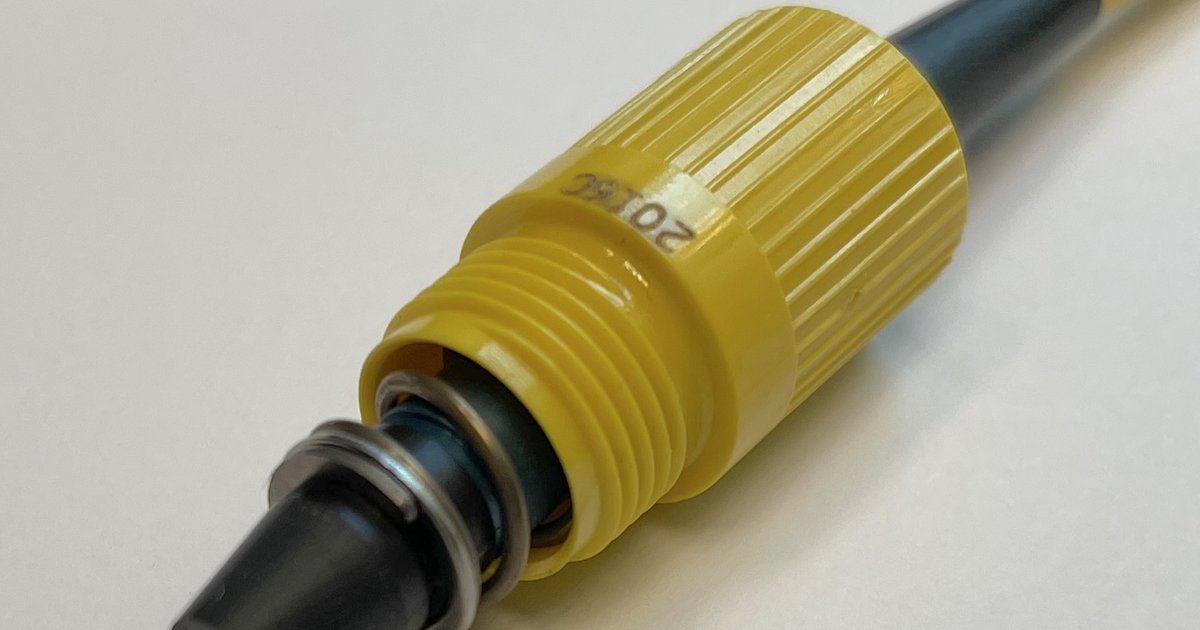
Renishaw's RLE100, RLE200 and RLE300 interferometric laser encoders double the angular and linear operating ranges, add automatic sub-divisional error correction, and reach ±0.2 nm measurement uncertainty.

Teledyne e2v has added the Flash 1K2 and Flash 8K to its global-shutter CMOS family, reaching 3,000 fps at 1K by 1K and 1,800 fps at 8K by 1K on a 6 µm pixel with 100 dB of dynamic range.

Kalmar has opened a test centre in Ljungby that runs accelerated lifetime testing of container handling equipment around the clock without an operator, at loads to 45 tonnes and from arctic cold to desert heat.

Marcobre has deployed a Huawei private 5G network at Mina Justa in Peru's Ica region, supporting equipment teleoperation from more than 150 kilometres away in what is described as the country's first 5G mining deployment.

Fibocom's RU311 series runs 5G RedCap at 226 Mbps down on the UNISOC V527, with Cat.4 fallback and an LGA pinout compatible with the company's existing FG132 and NL668 modules.
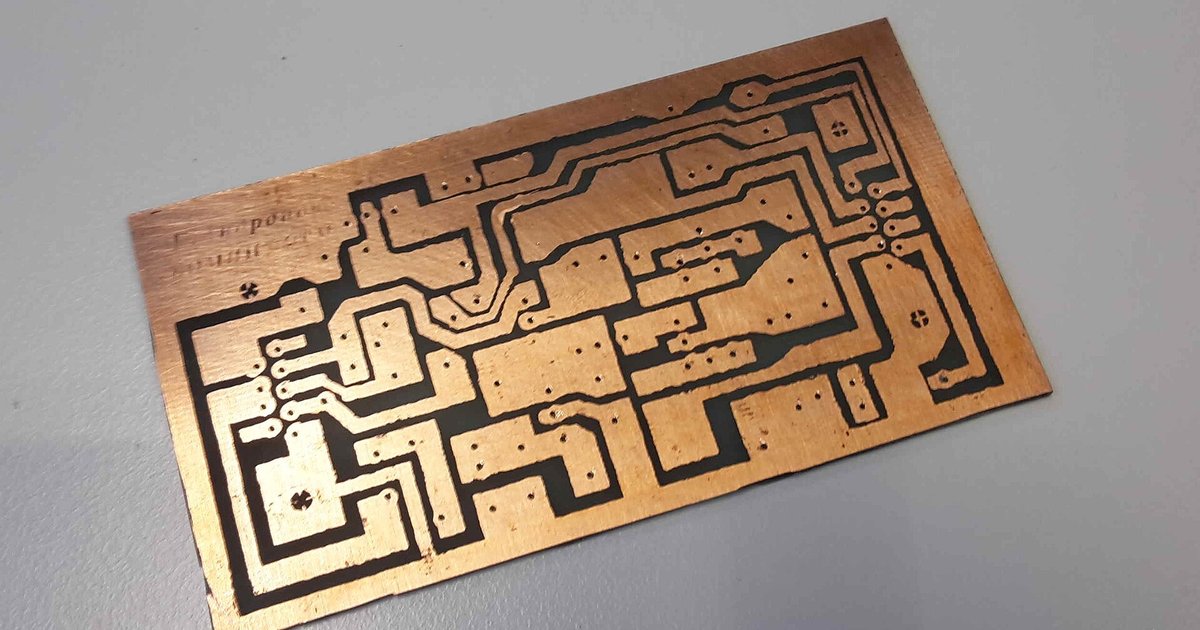
Seeed's reComputer RK3576 kits pair an octa-core Rockchip with a 6 TOPS NPU, and an optional 20 TOPS RK1820 accelerator that occupies the only M.2 M-key slot — so you choose between it and NVMe.
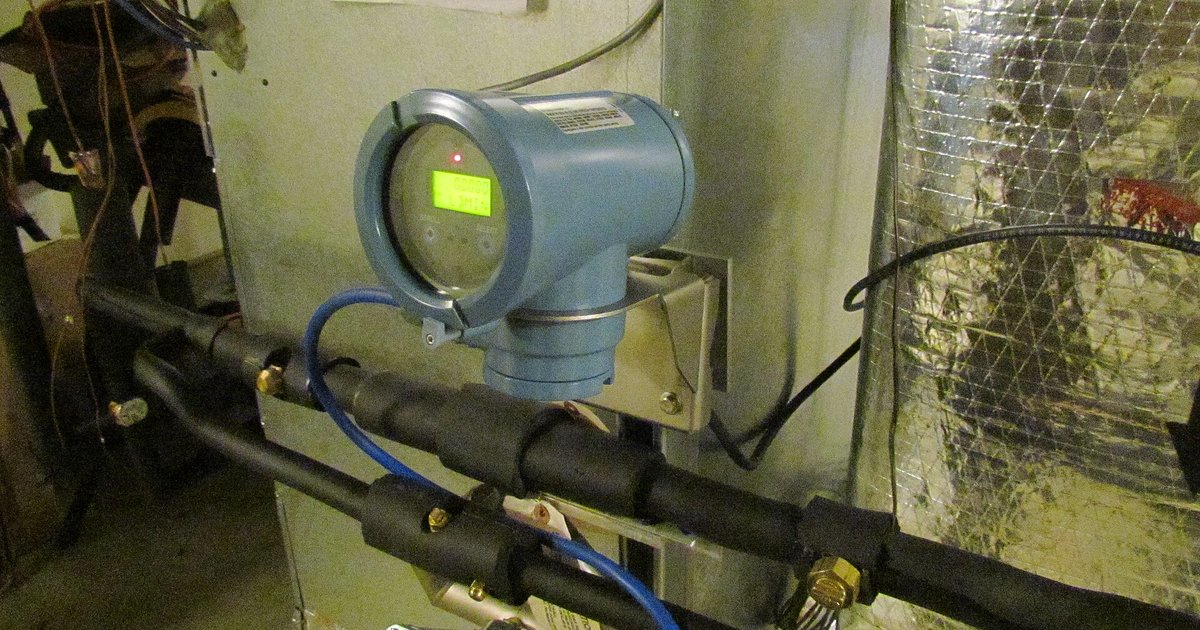
KROHNE's OPTIMASS 5400 is a twin semi-bent tube Coriolis meter rated to 180 °C and 100 barg, optionally ±0.1 percent above 10 percent of nominal flow, and a flange-to-flange swap for the OPTIMASS 1000.
ABB has extended its ACS580, ACH580 and ACQ580 families to IP66/Type 4X from 5.5 to 22 kW, with coated boards, EMC C2 filtering, a built-in DC choke and Safe Torque Off, for mounting in the open.
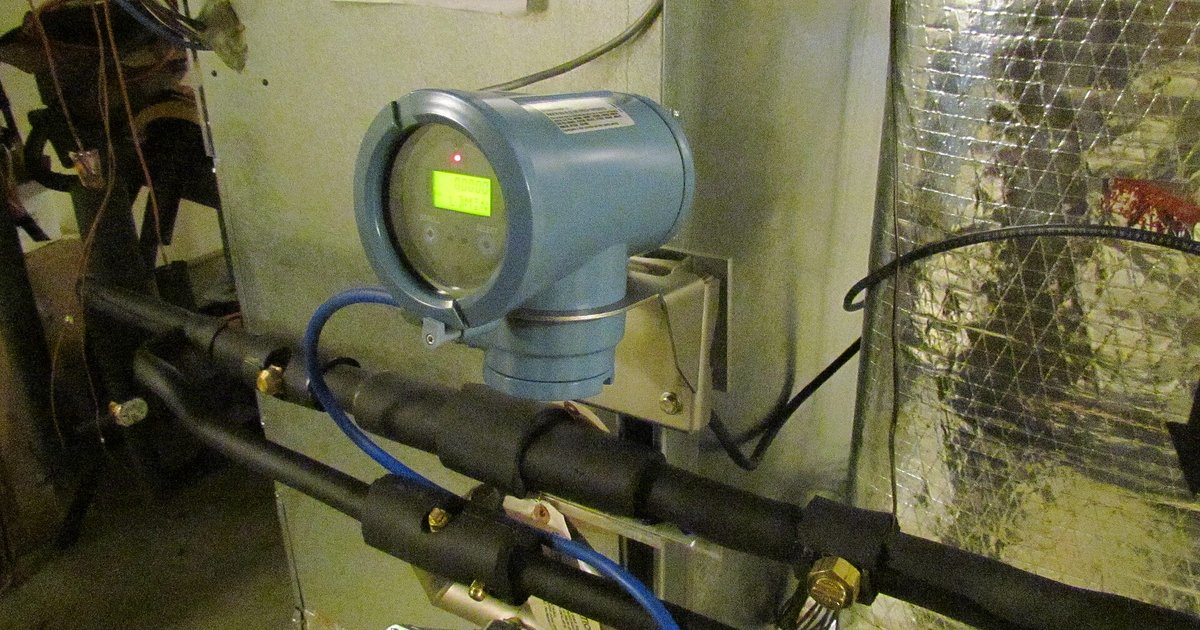
Measurement uncertainty is usually treated as a metrology footnote. Priced properly it is an economic quantity, and it decides how much instrument a given measurement deserves.
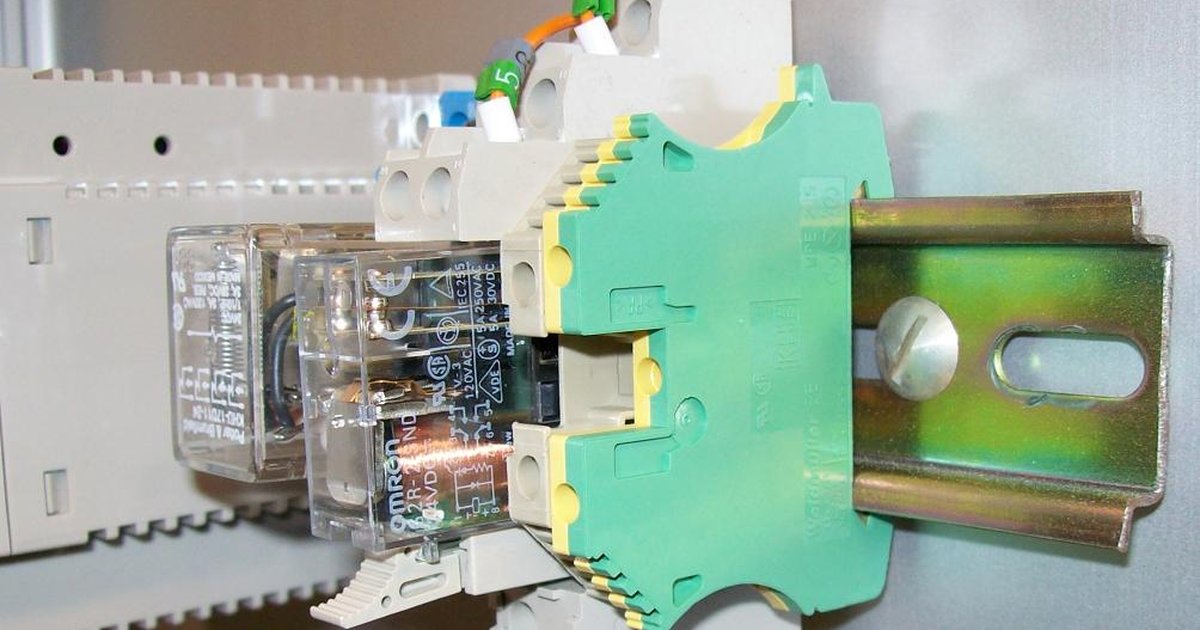
A serial gateway looks like a wire replacement and behaves like a protocol change. Timing, addressing and error handling all move, and each one has a way of biting late.
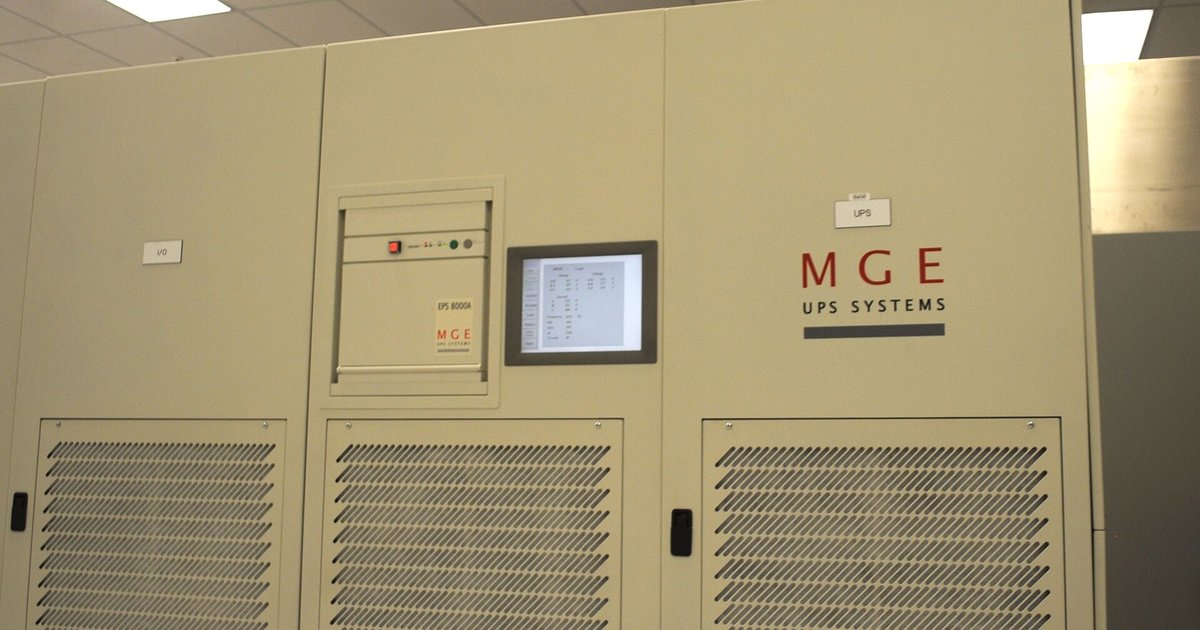
Most redundant systems have never failed over under the conditions that will occur. The common defects are shared dependencies, untested switchover and a standby that was silently dead.

Nearly every change order on an industrial installation traces back to something a two-hour site visit would have found. Here is the list that visit should cover.
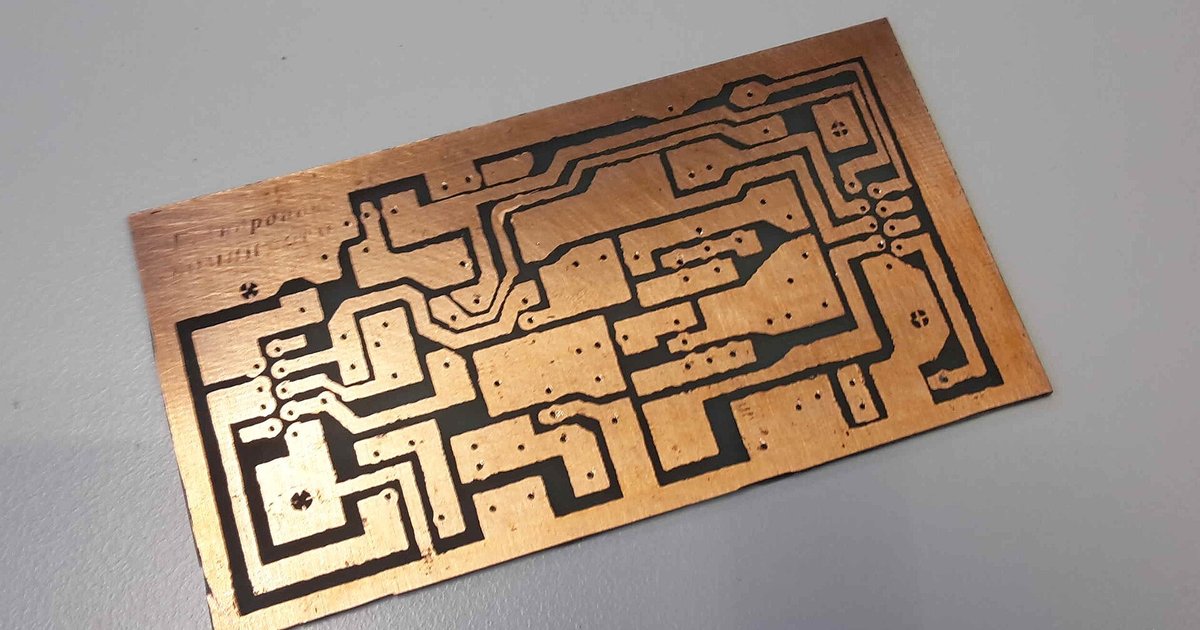
The decision is usually made on the wrong axis — cost to first version — when the axis that determines the outcome is who maintains it in year four.
Annual calibration is a convention, not an answer. The interval should come from observed drift and from what a wrong reading costs — and most plants have the data to work it out.

A system built for one plant contains assumptions nobody wrote down. The second plant finds every one of them, and it is cheaper to find them on purpose.
Vibration monitoring finds bearing faults, imbalance and misalignment well. It finds many other things badly. Knowing which is which decides whether the programme survives its first year.
A naming convention is not bureaucracy. It is the difference between a historian you can query and forty thousand points nobody can find, and it is nearly impossible to fix later.
IP ratings describe a laboratory test, not a plant. The real failure mechanisms are condensation, thermal cycling, chemical attack and vibration — and the rating tells you almost nothing about any of them.
The datasheet says ten years. The field says eighteen months. The gap is always in the same five places, and all of them are calculable before you build anything.
Every plant has a network drawing, and every plant that has actually measured its network has found the drawing incomplete. What discovery turns up, and how to survive the result.
The site volunteered, the integration was unbilled, the benefit was measured by its advocates, and nobody owned it afterwards. Six structural reasons, and the reframing that fixes them.
Consequence, likelihood and lead time — and it is lead time that inverts the intuitions built on price. Why a €50 sensor can outrank a €50,000 drive, and the three metrics that tell you if you got it right.
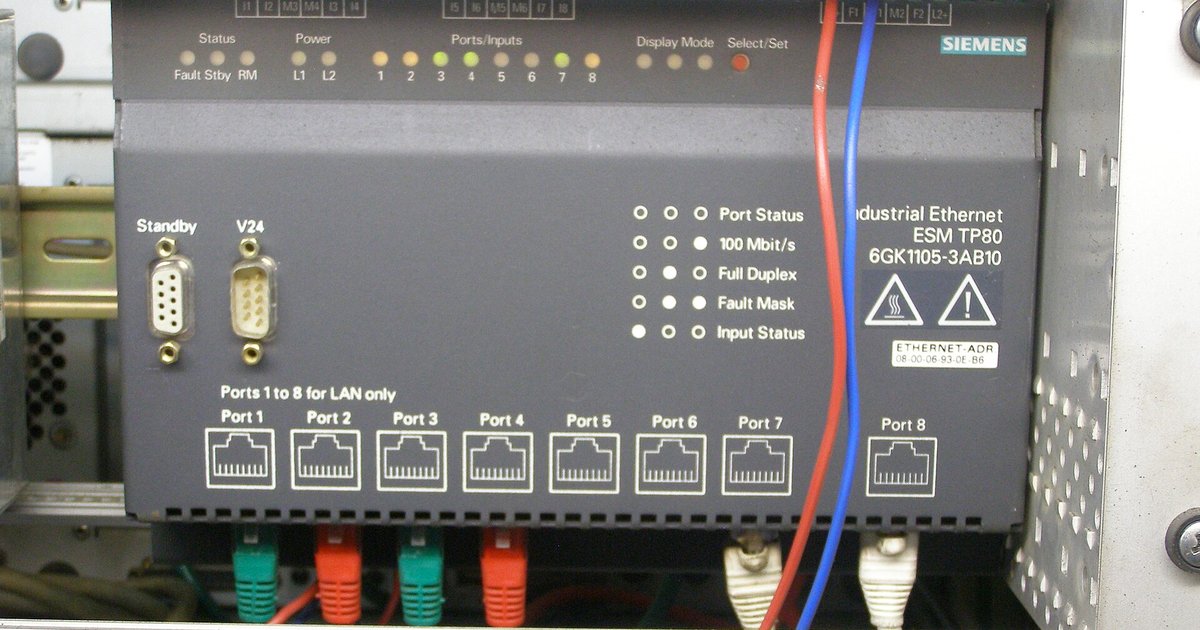
They are not competitors: a register protocol, an information model and a transport pattern. What each is genuinely good at, the two failure modes that recur, and why the choice is per link rather than per company.
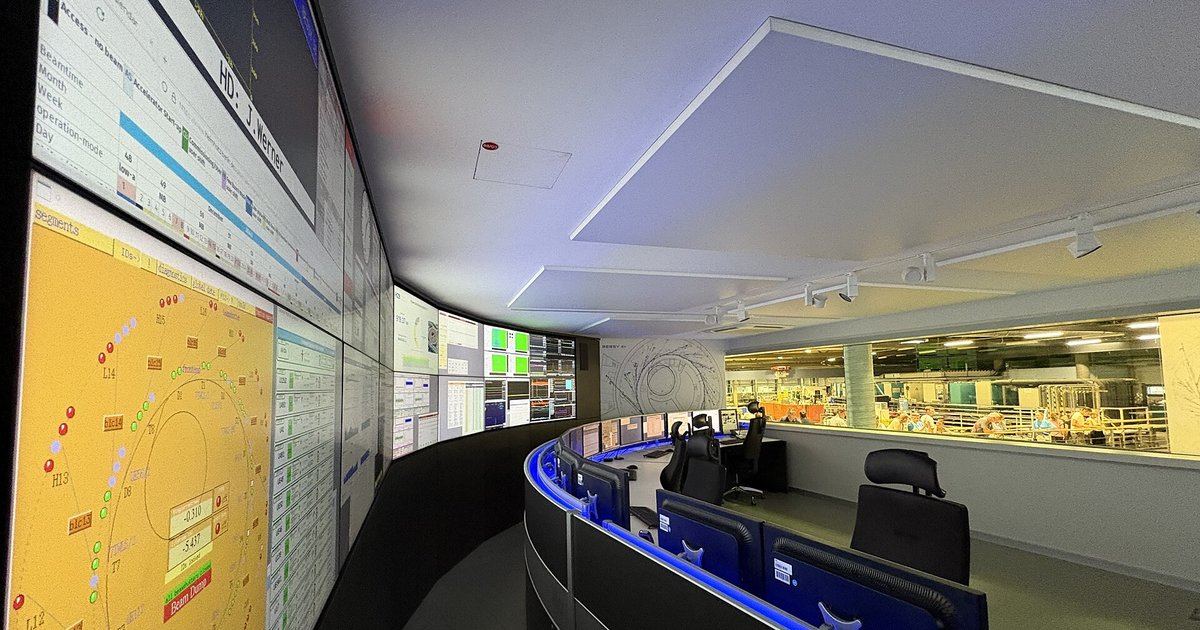
The screen is drawn on a quiet afternoon and read during an upset. Why colour should be reserved for abnormal, why a bar beats a number, and the one test that tells you whether the design works.
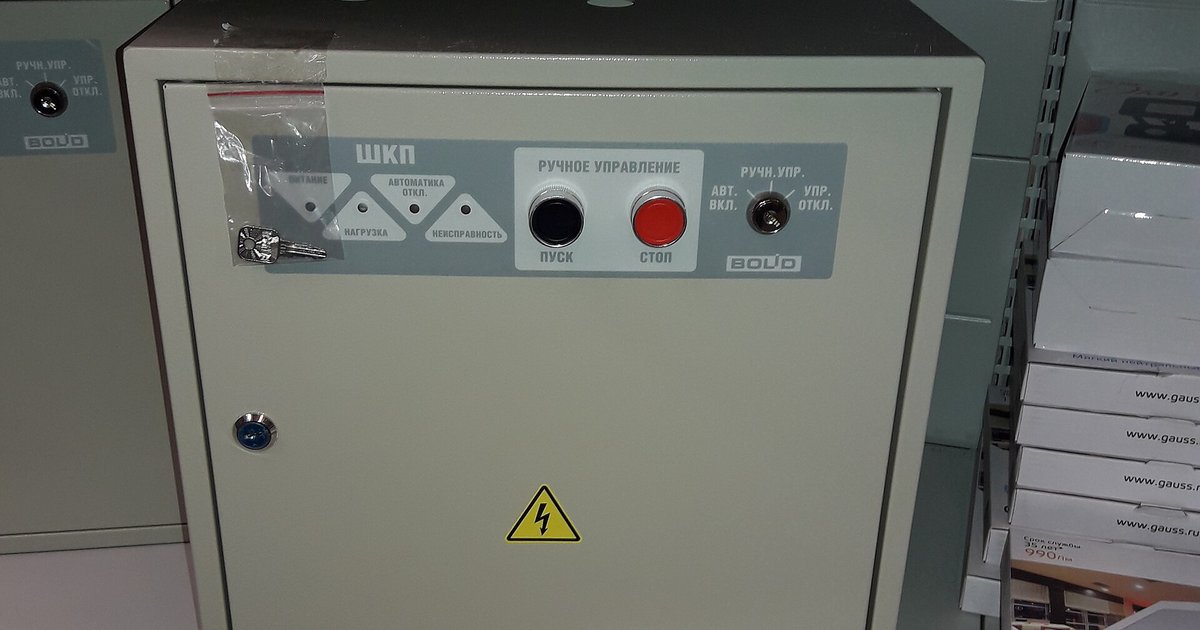
A FAT moves risk before the machine moves. Most of them demonstrate the happy path instead — here is the list of failures to force, and why a test that passes everything first time tested nothing.
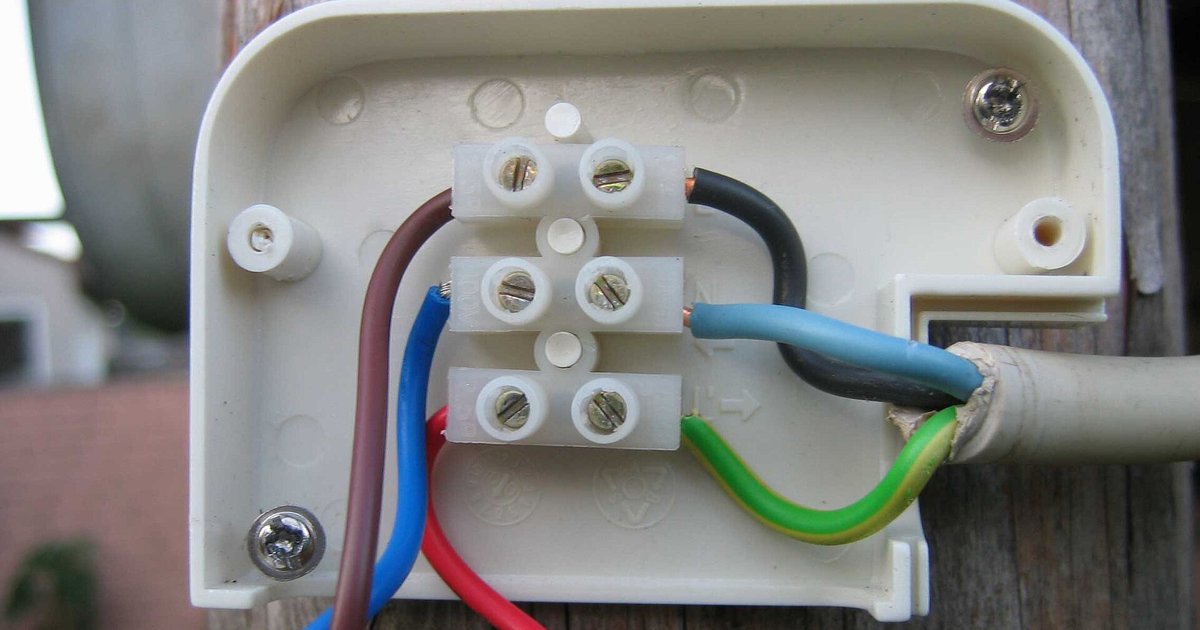
Protective earth and signal reference are different jobs sharing a word, and confusing them is where most noise starts. Where to bond a shield, why the frequency changes the answer, and what to measure first.

The arithmetic is trivial and the definitions are where it breaks: the denominator, the ideal cycle time, the stop threshold and where quality is counted. Four choices that move the number thirty points.
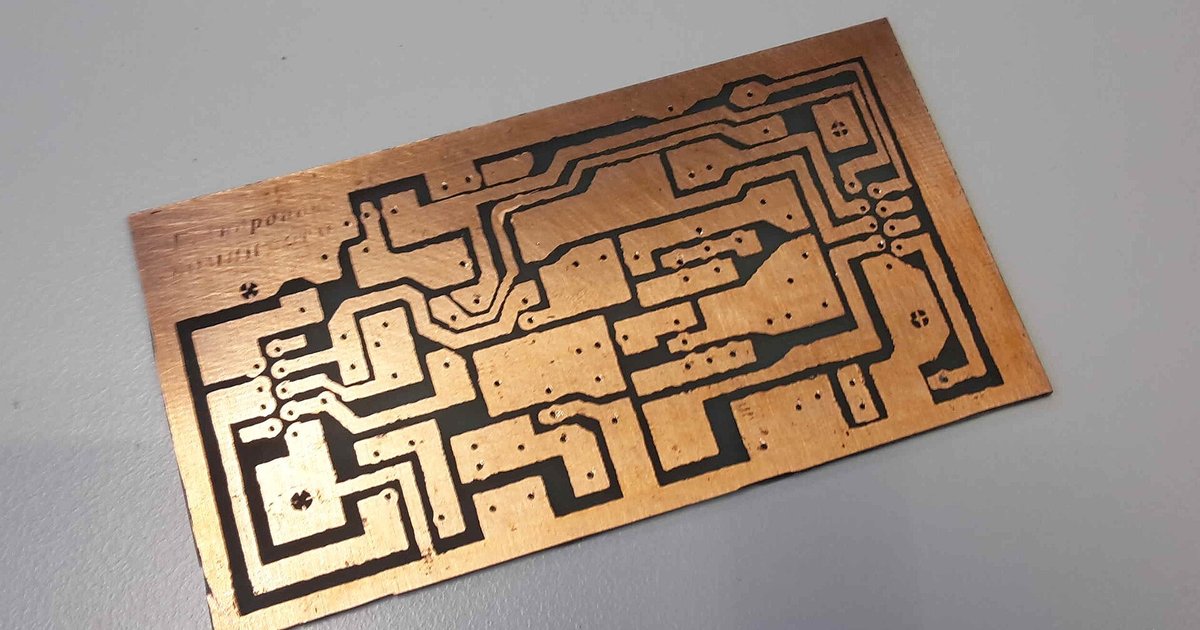
The pilot of ten was configured by hand by the people who built it. At a thousand, the manual steps stop being slow and start being the defect. Identity, claiming, verification and the paths nobody plans for.
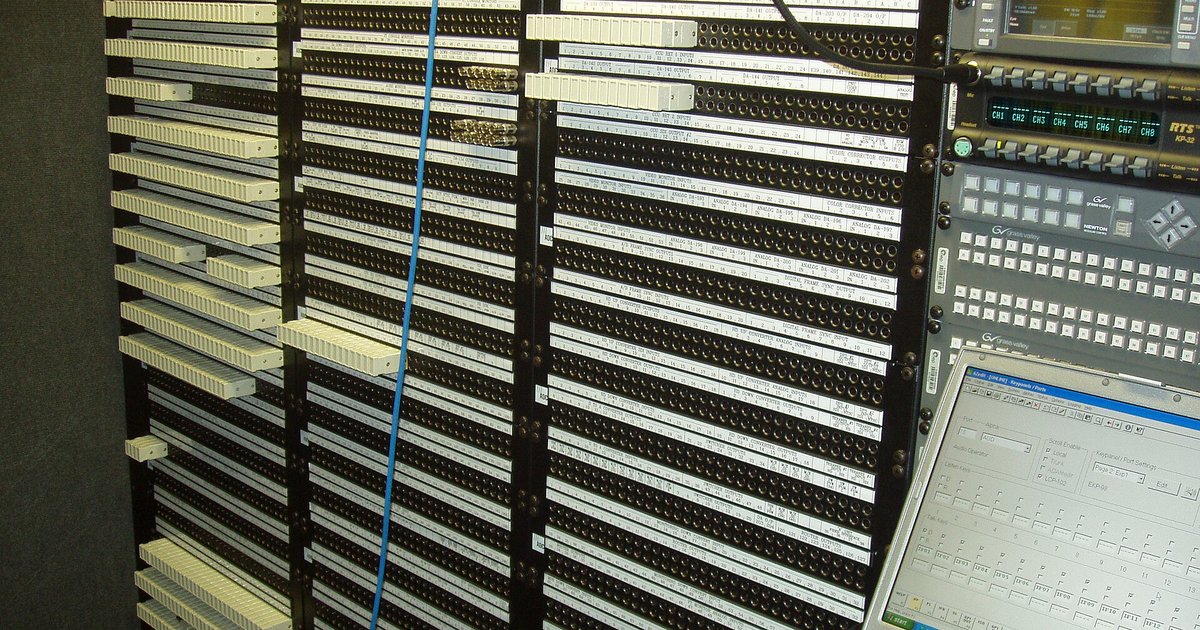
Segmentation is not a firewall purchase, it is a list of what talks to what. Why VLANs alone are not a boundary, how to write a conduit down, and the exception that quietly eats the design.
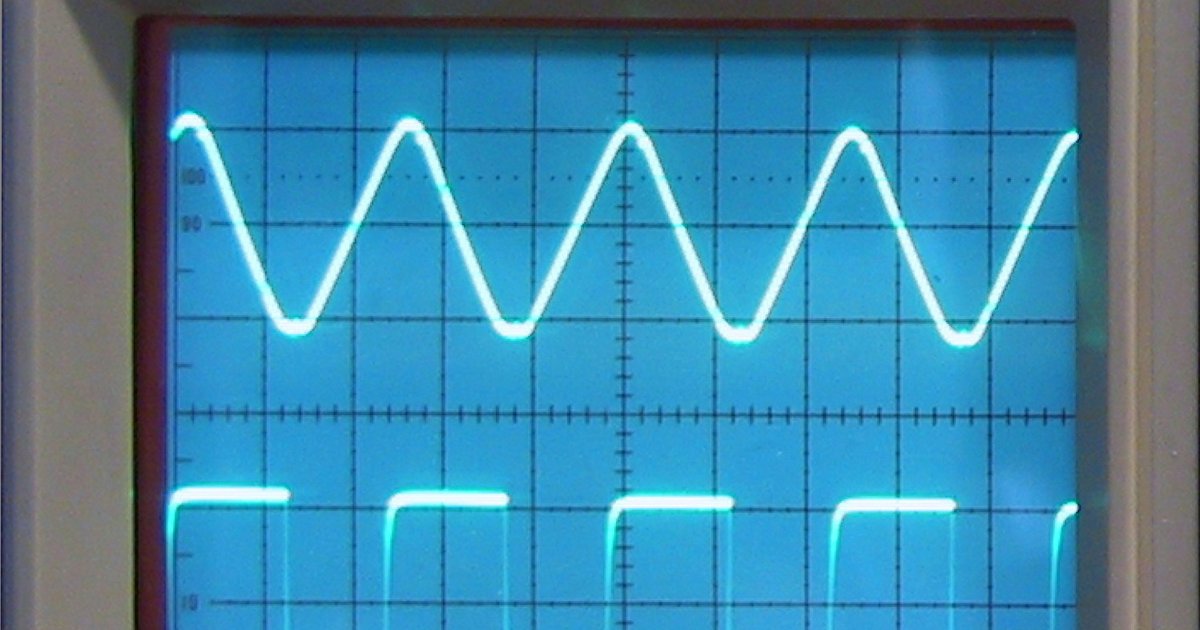
Nyquist is about the highest frequency present, not the highest one you care about — and everything above half your rate folds back in permanently. What rate each job actually needs, and the six things to write down.
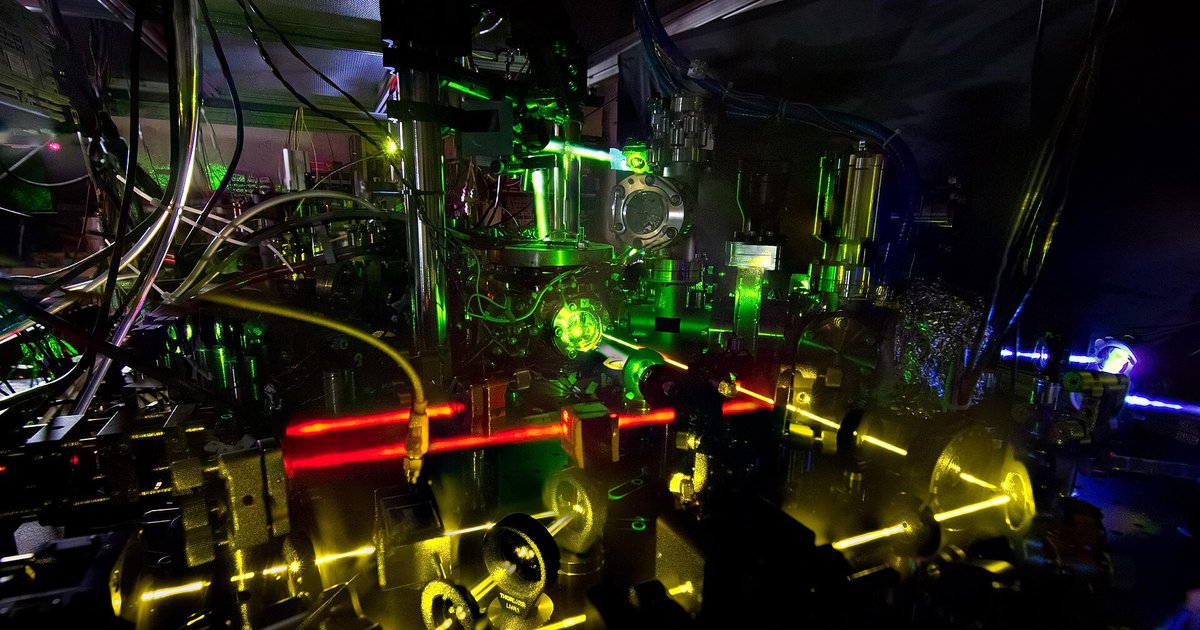
Four clocks touch every reading and nobody decided which one counts. What that costs, how much accuracy each use actually needs, and the short list of decisions that fixes it for good.
The link will fail. Whether that costs you an inconvenience or a hole in the record comes down to how the gateway buffers, what it drops first, and how politely it drains when the connection returns.
Retention is usually decided by whatever the historian defaulted to, which is the wrong way round. What the questions you will ask later actually require, and where downsampling destroys the answer.

An alarm system that produces more signals than a person can act on has not made the plant safer; it has trained the control room to stop reading. What goes wrong, and the specific fixes that reverse it.

The headline accuracy figure is the least informative number on the page. What the conditions clause is doing, why drift usually matters more than accuracy, and the specifications that are absent on purpose.
When a service call costs more than the device, every design decision changes. Power, communications, failure modes and diagnosis all get re-argued from the assumption that nobody is coming.

A temperature logger records data. A compliant cold chain produces evidence, which is a different and much harder thing. What the record has to survive, where designs usually fail an audit, and how to build one that does not.

Running containers on an industrial gateway solves real problems and creates a new class of them. What genuinely improves, what quietly becomes your responsibility, and the decisions worth making before the first deployment rather than after.
The regulation is often summarised as security requirements for connected devices, which is true and not actionable. What it actually obliges a manufacturer to build, to document, to report and to keep doing for years after the sale.
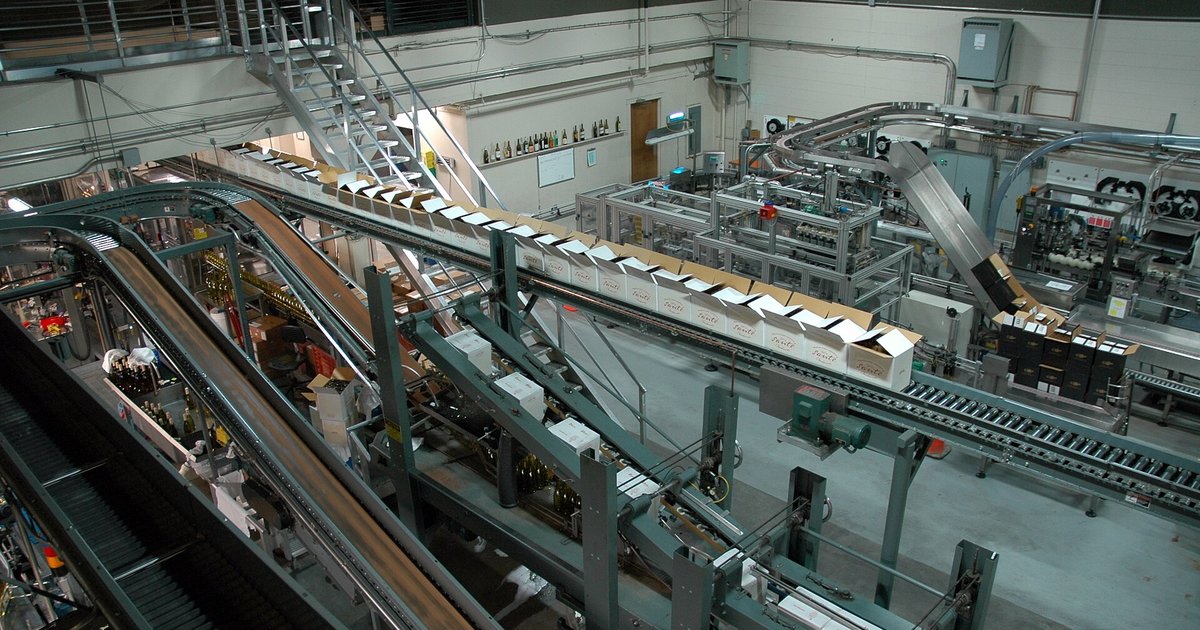
Almost every disappointing inspection deployment fails for the same handful of reasons, and none of them are the model. What changes between the demonstration and the running line, and how to design so that it does not matter.

The technology works in the demonstration and disappoints in the plant, and the reasons are consistent enough to plan around. What the pilot proved, what it did not, and the failure modes that only appear at fleet scale.

The comparison is usually argued on throughput, which is the one specification that rarely decides it. What separates the two in practice is who owns the spectrum, how the network behaves at the edge of coverage, and what happens when a device roams.
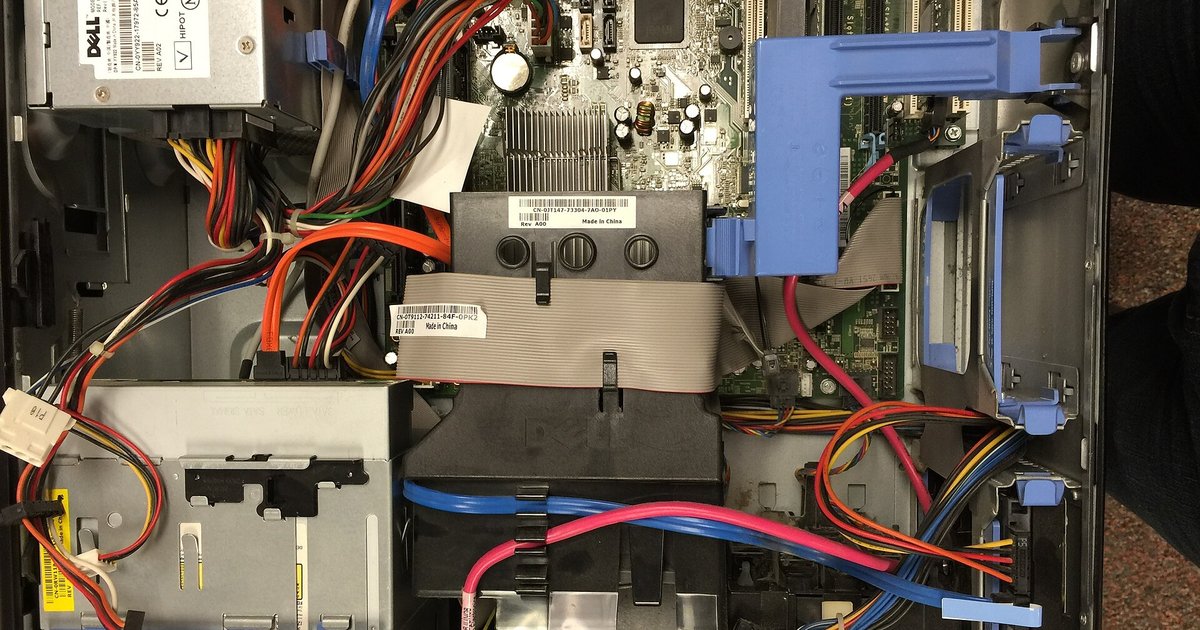
Edge or cloud is the wrong first question. A practical way to place a model, built around six constraints that decide the answer before any hardware is chosen, and the mistakes that come from optimising the wrong one.
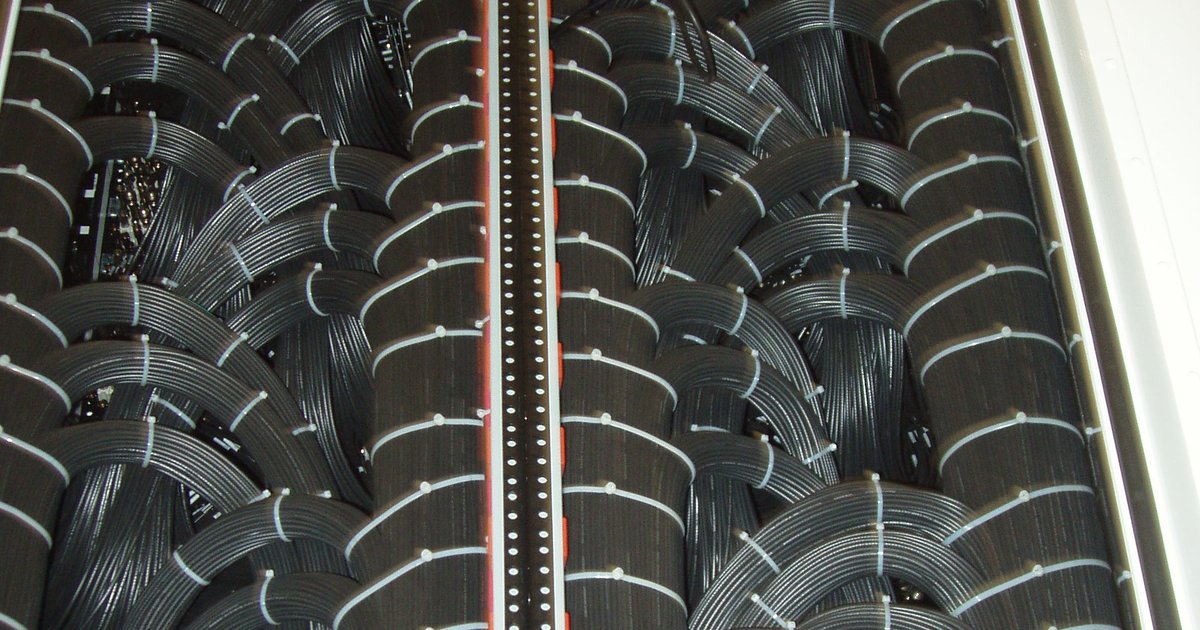
TSN is sold as deterministic Ethernet, but the guarantee is narrower and far more conditional than the phrase suggests. What the standards bound, what they leave alone, and what has to be true of your network before any of it holds.

Every occupancy technology fails in a characteristic way, and the failures are not random. How to combine sensors so the mistakes cancel instead of compounding.

The standard assigns different duties to asset owners, integrators and manufacturers. Which parts actually bind a product vendor, and what a Security Level claim commits you to.

The data mostly exists already — scattered across an ERP, supplier questionnaires and spreadsheets. What it takes to assemble it into one record that stays correct as the product changes.

Buried electronics face water, fertiliser, frost and a tractor. The failure modes that end field deployments, and the design decisions that decide whether a probe lasts one season or five.

Four technologies that all claim to locate things indoors, separated by what they physically measure. How to pick using the accuracy you actually need rather than the best number available.

The algorithms are standardised and the deadlines are real. What changes for a device with kilobytes of RAM and a ten-year deployment, and where to start when you cannot patch the field.

Repairability is decided in the first mechanical review and cannot be retrofitted. What the EU rules require, and the connected-device problem the rules barely mention.

Three ways to shrink a model until it runs in kilobytes of RAM, what each one costs in accuracy, and how to tell which constraint you are actually up against.

Three regulators now require you to publish a support period. Working out what number you can actually honour, and what it commits your engineering team to for years.
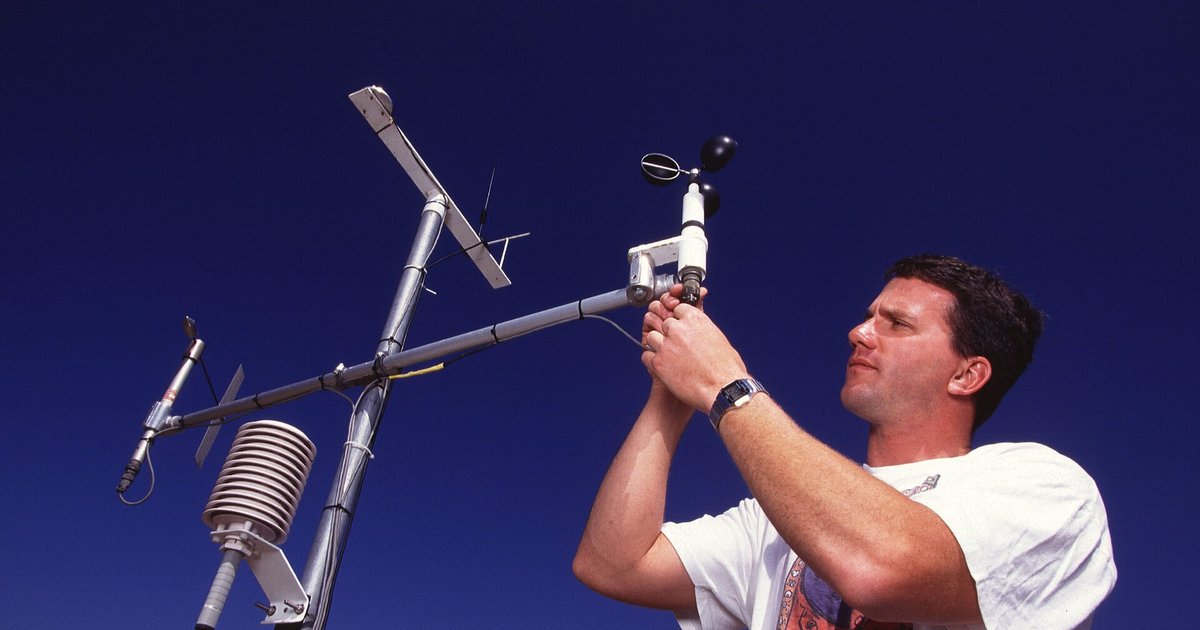
Three radios that look interchangeable on a datasheet and are not. How range, power budget, message size and who owns the network decide which one a deployment can actually live with.

Most IoT deployments ship far more data than anyone reads. A practical framework for deciding at the device what is worth transmitting, what is worth keeping locally, and what to discard immediately.

Botnets are not built from clever exploits. They are built from devices that shipped with a password everyone knows and a firmware update nobody applied. What onboarding has to do instead.
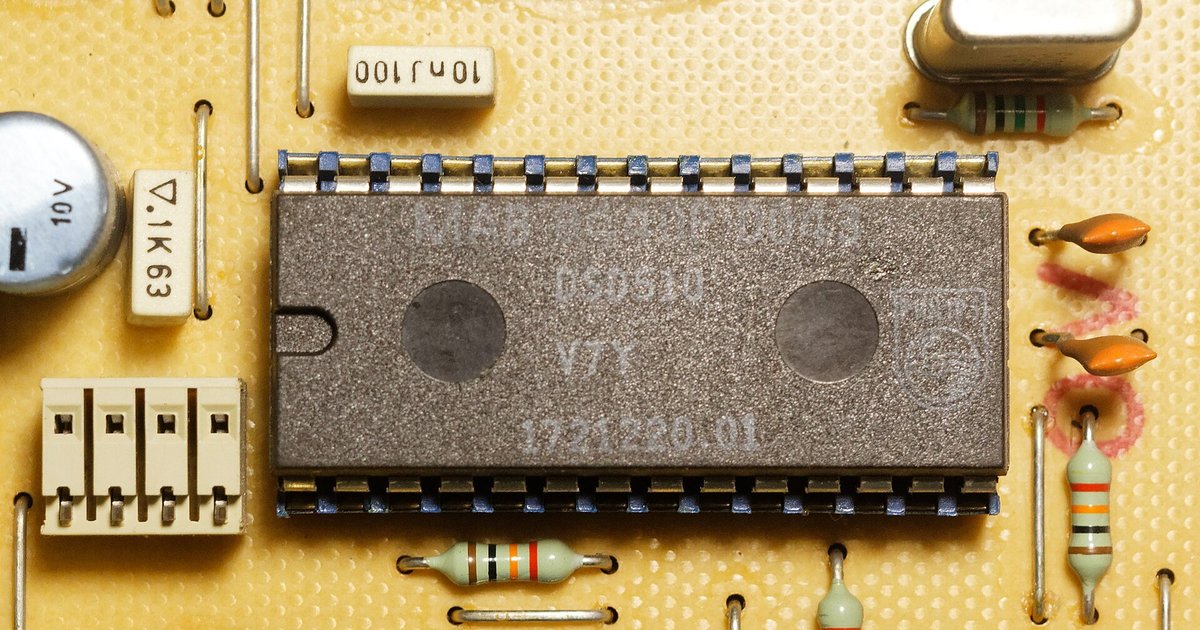
A shared credential flashed into every unit is the most common and most expensive shortcut in IoT. What per-device identity costs to build, and what it saves the first time a key leaks.
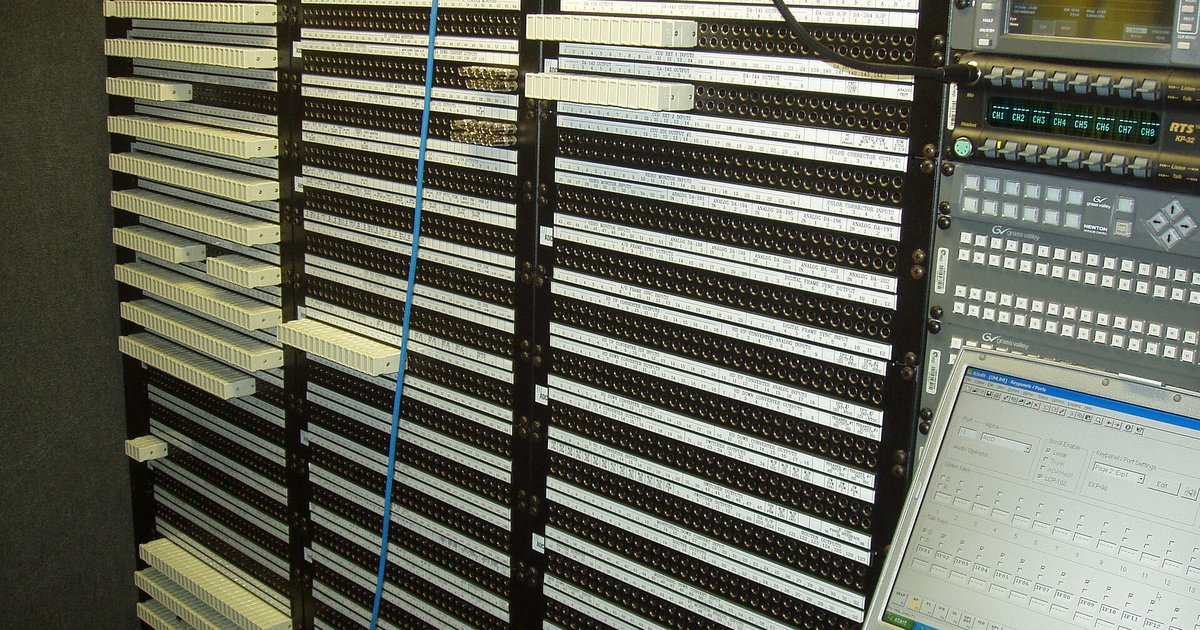
The choice is usually made on habit rather than on constraints. How connection model, payload overhead, battery cost and delivery guarantees really differ, and when plain HTTP is the better answer.